
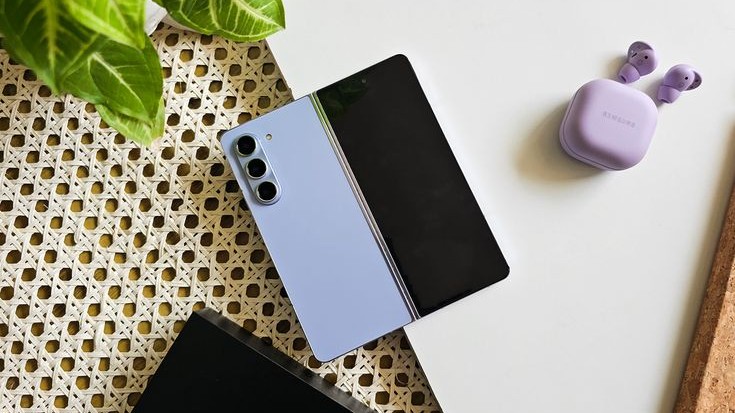
Foldable smartphones have rapidly gone from niche luxury gadgets to some of the most innovative and sought-after devices in mobile tech. In 2025, advances in materials, engineering, and software are converging to make foldables more capable, reliable, and accessible than ever before.
Leading brands are now focused on perfecting the foldable experience, promising bigger screens, tougher devices, and smarter functions.
Breakthroughs in Hardware and Design

The foldable phones of 2025 feature next-generation hinge systems with smoother movement and greatly reduced crease lines, crafted from advanced materials like titanium alloy and carbon fiber.
Manufacturers such as Samsung, Google, and Xiaomi are employing Ultra-Thin Glass (UTG) 3.0 technology, giving foldables scratch resistance and exceptional longevity.
Ultra-slim designs are paired with robust exteriors, blending the portability of a phone with the screen real estate of a small tablet. Developments in flexible OLED and graphene-infused displays allow for sharper, brighter images without compromising on durability.
Read More: How Smartphones Are Replacing Professional Cameras?
Processing Power and Battery Life
Foldable devices are now powered by the latest chipsets, with Snapdragon 8 Gen 4, Exynos 2500, and custom tensor processors driving performance. AI acceleration is standard, delivering smooth multitasking, real-time optimization, and unparalleled gaming experiences—even with several apps open side by side.
Battery innovation is also front and center. Leading foldables in 2025 offer up to 5,500mAh capacity, backed by fast charging technologies such as 100W wired and 50W wireless charging. Energy efficiency is further enhanced by smart adaptive power management, extending daily usage and device longevity.
Software: Smarter Multitasking and User Experiences
Running Android 15 or iOS 18 (should Apple enter the foldable market), these devices take full advantage of the unique form factor with optimized multi-window features, enhanced drag-and-drop support, and fold-aware user interfaces.
Foldables are now ideal for productivity, gaming, and creativity, as apps seamlessly transition between open and closed modes with no loss in function or fluidity.
AI-powered interfaces actively learn usage patterns to suggest split-screen layouts, adjust refresh rates, and intelligently manage notifications. Integration with stylus support and advanced haptics puts creative control right at the user’s fingertips.
Durability and Cost: Addressing the Major Challenges
With stronger hinge ecosystems, reinforced flexible screens, and self-healing coatings, 2025 foldable smartphones are built to withstand years of daily use. While durability remains a key focus, production costs are starting to fall as materials and manufacturing mature.
Though premium pricing still defines many flagship foldables, the introduction of mid-range, mass-market models is making the technology accessible to a broader audience and encouraging wider adoption across both business and consumer segments.
Looking Ahead: New Form Factors and Features
The coming years will see foldables evolving beyond single-crease designs. Manufacturers are experimenting with rollable, tri-fold, and even stretchable displays, allowing smartphones to morph between phone, tablet, and laptop configurations.
Holographic projection, e-ink secondary screens, and modular upgrades are being prototyped, hinting at the next big leap in mobile innovation.
AI-driven adaptive interfaces, improved battery technology using solid-state and graphene materials, and enhanced sustainability with recyclable, modular constructs are all shaping the foldables of the future.
Frequently Asked Questions (FAQ)
1. Are foldable smartphones durable enough for everyday use in 2025?
Yes, new hinge designs, self-healing coatings, and improved display materials have made 2025 foldables much more durable than earlier generations.
2. Which companies are leading the foldable phone market?
Samsung, Google, Xiaomi, Huawei, and OnePlus are among the leaders, with other brands like Motorola and Oppo making significant advances.
3. What are the main advantages of using a foldable?
Foldables offer large, immersive screens for productivity and entertainment—while staying compact and pocketable—plus innovative multitasking and creative features.
4. Are affordable foldable phones available in 2025?
Yes, while many remain premium, several brands have released mid-range models, making the technology more accessible to mainstream users.
5. Will foldables eventually replace traditional smartphones?
Foldables are becoming a popular premium choice, but traditional smartphones will still coexist, especially in entry-level and rugged segments. The future promises more flexible and modular designs across the industry.