

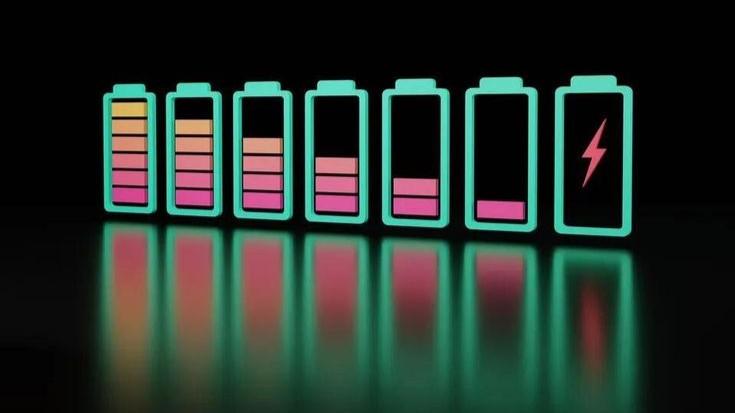
Battery revolution, the rise of graphene and fast charging technologies.
The battery industry is undergoing a dramatic transformation in 2025, with graphene emerging as a key driver of innovation.
As demand for faster charging, longer lifespan, and higher energy efficiency increases across smartphones, electric vehicles, and renewable energy, graphene-based batteries are moving from laboratories to commercial reality.
Fast charging, enhanced durability, and sustainability are becoming the new standards for energy storage.
What Makes Graphene Unique in Battery Technology?
Graphene is a single layer of carbon atoms arranged in a hexagonal lattice, celebrated for its remarkable strength, ultra-light weight, high electrical conductivity, and thermal stability. When incorporated into batteries, graphene enables ultra-fast charge and discharge cycles, higher energy densities, and a significantly longer lifespan compared to conventional lithium-ion cells.
Key benefits of graphene batteries include:
- Rapid electron movement for much faster charging
- Minimal heat build-up during operation, improving safety and efficiency
- Lightweight cell architecture, reducing total device weight
- Extended cycle life due to improved resistance to degradation
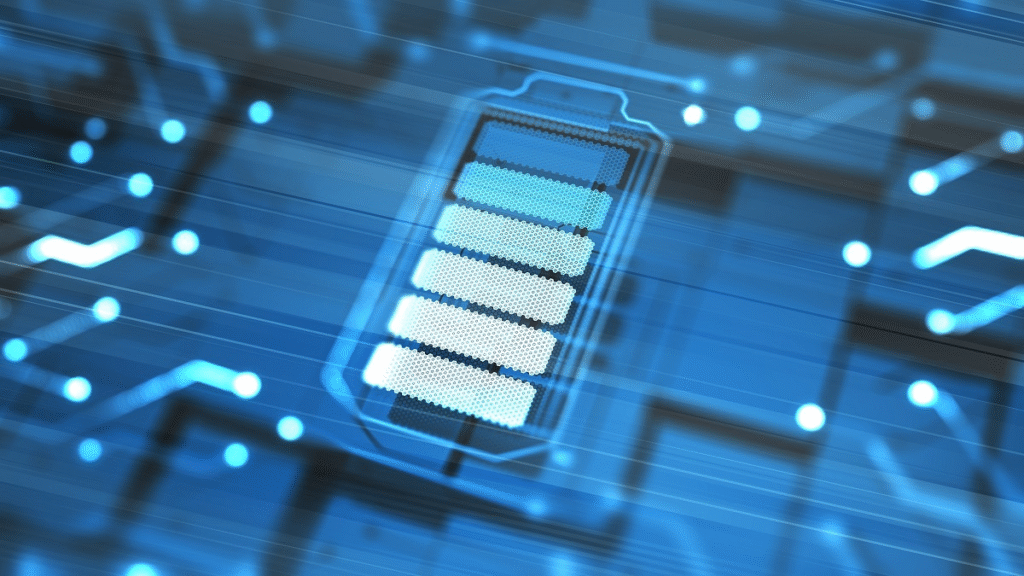
The vision of fully charging a device or electric car within minutes is now close to reality. Recent commercial prototypes featuring graphene-based electrodes can reach up to 80% battery capacity in less than ten minutes.
In the electric vehicle industry, this has dramatically reduced charging downtime, granting drivers a level of convenience similar to refueling a traditional gasoline car. In consumer electronics, smartphones and laptops equipped with graphene batteries support all-day use with just a short charge.
Real-World Applications and Industry Progress
2025 stands as a pivotal year for graphene battery commercialization. Numerous tech companies and automakers are working to integrate graphene technologies into their product lines. Major smartphone brands are launching devices that promise week-long battery life and ultra-fast top-ups.
Leading electric vehicle manufacturers are rolling out new models with graphene-enhanced powertrains, offering extended driving ranges and unprecedented safety.
Graphene’s influence extends beyond performance. It is increasingly being used in advanced cooling solutions and flexible electronics such as super-thin, bendable screens, and more efficient wearables. Manufacturers are also leveraging green, cost-efficient production methods, scaling up from research to mass-market deployment.
Overcoming Challenges and the Road Ahead
Despite graphene’s impressive properties, high production costs and the complexity of integrating graphene into battery designs have slowed widespread adoption.
However, the maturation of manufacturing processes, such as chemical vapor deposition and laser-induced graphene, has begun to lower costs. Strategic partnerships between battery firms and graphene material suppliers continue to accelerate research, development, and industrialization.
The momentum is also fueled by a global push for sustainability. Graphene batteries are more environmentally friendly, often using fewer rare earth elements and enjoying longer operational lives, reducing waste and the environmental footprint of battery production and disposal.
The Future of Fast Charging and Energy Storage
The rise of graphene and fast charging is poised to redefine what consumers expect from batteries. Looking ahead, graphene-based batteries are likely to dominate not only smartphones and electric vehicles but also wearables, drones, grid energy storage, and aerospace applications.
The next generation of batteries may also combine graphene with solid-state technologies, further boosting energy capacity and durability.
Market forecasts show explosive growth in the adoption of graphene batteries over the next decade. As production scales, costs will continue to fall, opening access to more industries and consumers worldwide.
The promise of rapid charging, extended range, and lasting durability is set to usher in a new era in battery technology, cleaner, faster, and smarter than ever before.
Read More: The Future of Laptops: ARM Processors and the End of x86 Era?
Frequently Asked Questions (FAQ)
1. What makes graphene batteries superior to traditional lithium-ion batteries?
Graphene batteries offer faster charging, higher energy densities, greater safety, and a longer cycle life.
2. How fast can graphene batteries charge compared to current technologies?
Most graphene battery prototypes can achieve up to 80% charge within 5–10 minutes, much faster than conventional lithium-ion batteries.
3. Are graphene batteries available in mainstream devices?
Several smartphones, laptops, and electric vehicles are beginning to offer graphene-enhanced battery options, with wider availability expected as manufacturing matures.
4. Are graphene batteries more sustainable?
Yes, they often require fewer rare materials, last longer, and their efficient manufacturing processes have a lower environmental impact.
5. What industries will benefit most from the battery revolution?
Consumer electronics, electric vehicles, renewable energy storage, wearables, and even aerospace are set to see transformative benefits from the adoption of graphene-based batteries.