
For years, gaming desktops have stood as the gold standard for high performance, offering unmatched power, customization, and cooling capabilities. Laptops, by comparison, were seen as convenient but limited alternatives that could not compete with the raw horsepower of desktop machines.
In 2025, this perception is changing dramatically. Modern gaming laptops are closing the gap faster than ever, bringing desktop-level performance, advanced cooling systems, and stunning display technology into portable designs that appeal to both casual and competitive gamers.
The Evolution of Gaming Laptops
A decade ago, gaming laptops were bulky, heavy, and prone to overheating. They featured short battery life and limited upgrade options. But the industry’s rapid innovation in chip design, thermal management, and battery technology has completely reshaped what a gaming laptop can deliver.
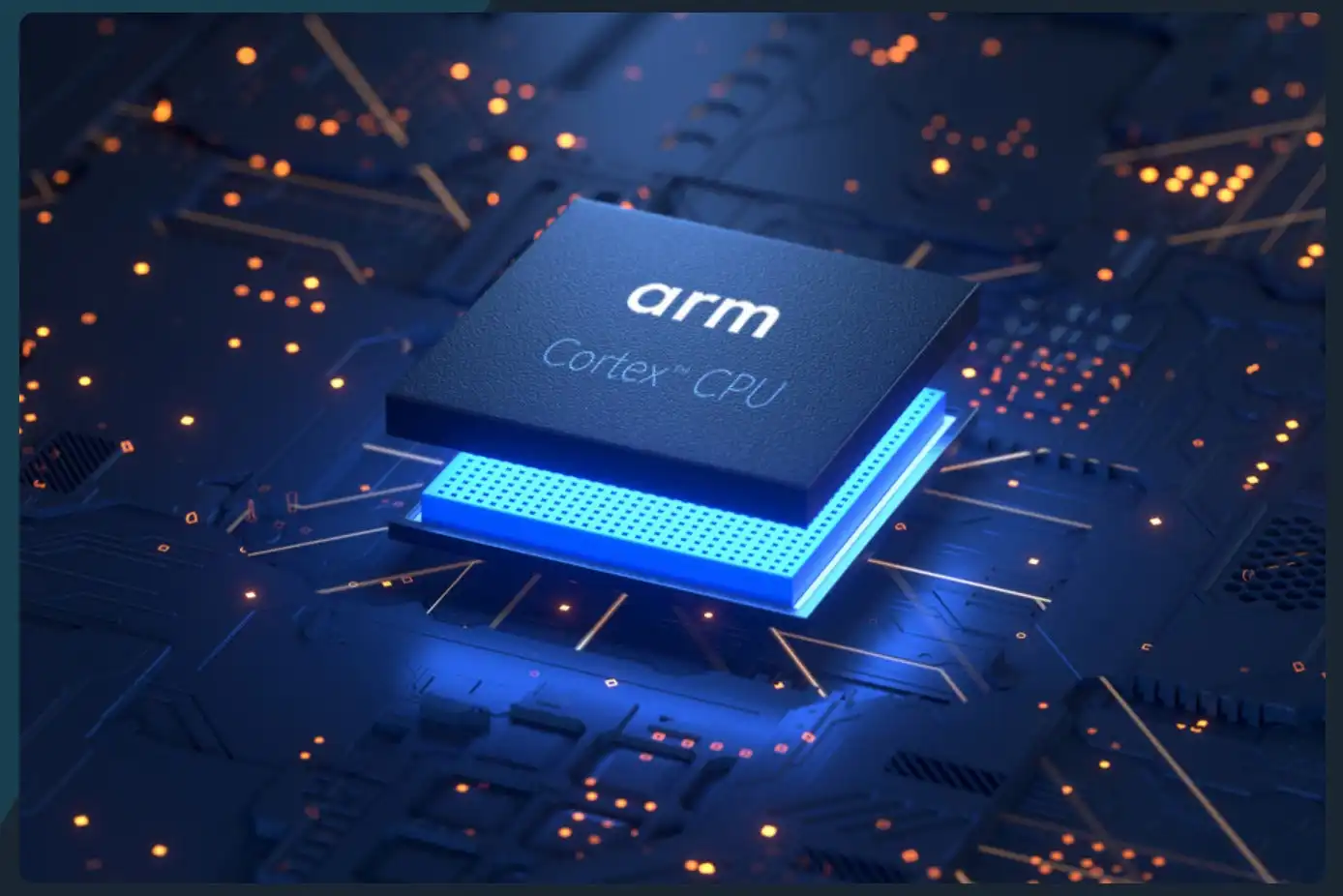
Manufacturers like ASUS, MSI, Razer, and Alienware have shifted their priorities toward combining high performance with portability. Thanks to new architecture from AMD, Intel, and NVIDIA, laptops in 2025 now feature CPUs and GPUs built with extraordinary efficiency, often matching their desktop counterparts in both speed and capability.
Advances in Portable Performance
The most defining change in 2025 gaming laptops is performance parity. Processors like Intel’s 14th-generation Core HX series and AMD’s Ryzen 9 8945HX chips deliver desktop-grade power in smaller form factors. These new chips are capable of handling complex game environments, multitasking, and streaming without compromising thermal or battery efficiency.
Graphics technology has also advanced significantly. NVIDIA’s RTX 50-series laptop GPUs and AMD’s RDNA 4 mobile chips are narrowing the performance gap to within 10 to 15 percent of comparable desktop GPUs. Ray tracing, DLSS, and AI-powered frame generation have become standard features, allowing smoother gameplay at higher resolutions while maintaining energy efficiency.
Read More: gulf tech review
The Role of AI and Smart Optimization
Artificial intelligence is now playing a major role in system optimization. Laptops in 2025 use AI-driven software to dynamically balance performance, fan speed, and temperature based on gaming load. These smart systems interpret user behavior and optimize resources automatically, preventing overheating and prolonging hardware life.
AI also enhances visual performance. By predicting frame data in real-time, AI engines reduce latency and improve rendering smoothness, giving laptop gamers an experience nearly identical to what they would achieve on a high-end desktop rig.
Cooling Technology Reinvented
One of the most significant improvements in modern gaming laptops is cooling. Traditional cooling systems struggled to handle the heat produced by powerful components in small spaces. Today, innovations such as vapor chamber cooling, graphene heat spreaders, and liquid metal thermal compounds have changed the game entirely.
Manufacturers now use advanced airflow designs and under-keyboard ventilation to manage heat more efficiently. Some laptops even employ external cooling docks that convert portable devices into high-performance desktop-like setups, achieving sustained high frame rates without throttling.
Display Technology and Immersive Visuals
Gaming laptops in 2025 boast display technology that rivals professional monitors. Screens with 240Hz and 360Hz refresh rates are now common, and OLED and mini-LED panels deliver exceptional color depth and contrast ratios. For gamers seeking high resolution, 4K displays have become more energy-efficient, allowing for smooth gameplay without draining the battery too quickly.
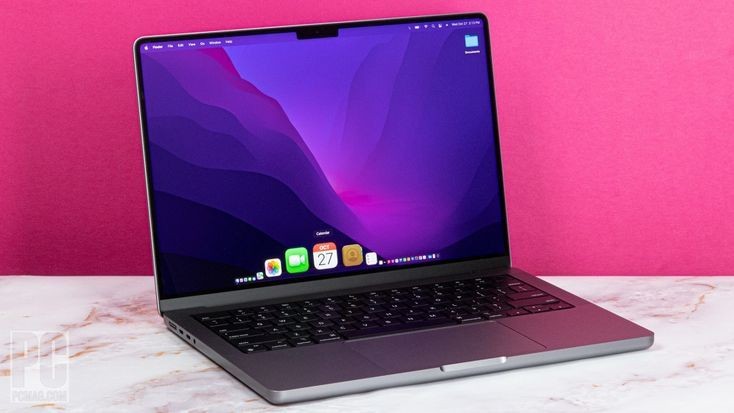
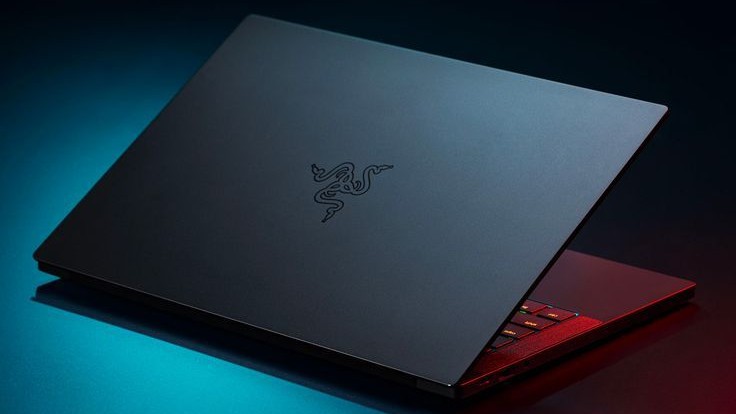
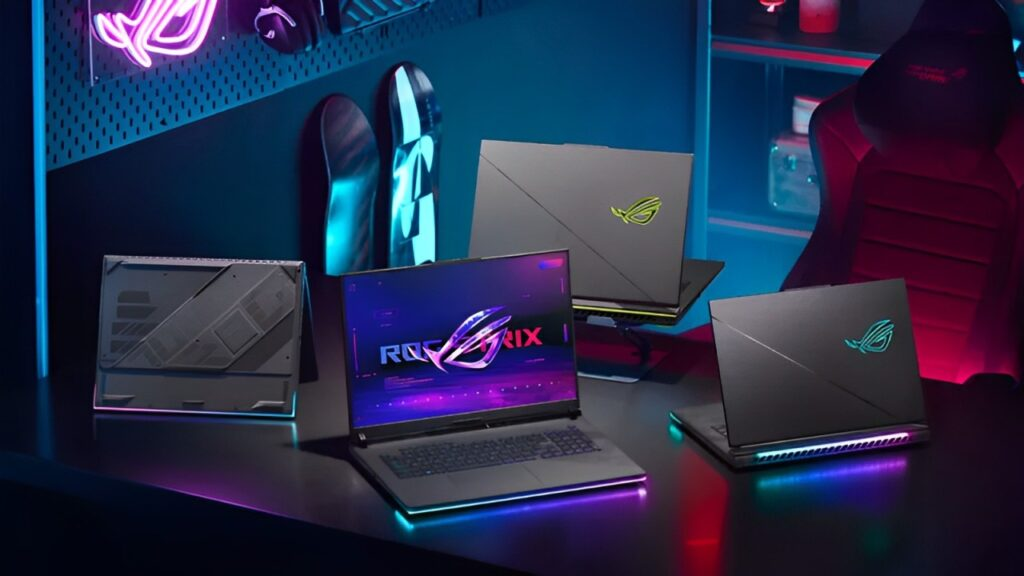
Devices such as the Razer Blade 16 and ASUS ROG Zephyrus G16 now offer hybrid display modes that let users switch between 4K and high-refresh-rate Full HD settings depending on their needs. This adaptability ensures that gamers can choose between visual fidelity and frame rate optimization on the fly.
Storage and Connectivity Enhancements
Storage speeds in gaming laptops have reached impressive levels, with PCIe 5.0 NVMe SSDs delivering lightning-fast load times that rival desktop systems. Games, software, and system boot processes execute almost instantly. Many laptops now include dual-drive configurations, enabling users to separate installed games from system files for smoother operation.
Connectivity has also evolved significantly. USB 4.0, Thunderbolt 5, and Wi-Fi 7 are standard on most 2025 models, making data transfers, external display connections, and online gaming faster and more stable than ever. Additionally, low-latency Bluetooth connections support modern peripherals such as wireless gaming mice and headsets without input lag.
Portability Meets Power
The days when gamers had to choose between power and mobility are nearly over. Modern gaming laptops weigh less than two kilograms while still including GPUs capable of handling AAA games at ultra settings.
Battery efficiency has also improved remarkably, with systems offering up to 8–10 hours of moderate gaming or productivity use before needing a charge.
Even power adapters have evolved. Some gaming laptops now support USB-C charging at high wattages, reducing the need for bulky dedicated power bricks. This makes travel and on-the-go gaming more convenient while retaining top-tier performance.
Customization and Upgradability
While desktops still lead in hardware customization, gaming laptops have become more accessible for upgrades. Many 2025 models now feature modular components, including replaceable RAM, SSDs, and in some cases, GPU modules. This approach extends device lifespan and gives users flexibility for future updates without purchasing a brand-new machine.
Software-based customization has also grown. Brands like MSI and Lenovo offer detailed control centers where users can tune RGB lighting, cooling modes, and overclock settings individually, matching both performance needs and aesthetic preferences.
The Competitive Edge for Gamers
Competitive gaming has accelerated the demand for portable power. Esports professionals and streamers no longer rely solely on desktop setups. High-performance laptops with fast response times and integrated AI performance tuning have become standard gear at tournaments.
They deliver the same responsiveness and smoothness as fixed desktop stations while providing mobility for international gamers.
The ability to stream, record, and broadcast simultaneously from a laptop is another major advancement. Hardware encoding support from modern GPUs allows creators to maintain high-quality output without significant frame drops.
The Future of Gaming Devices
Looking ahead, the line between laptops and desktops will continue to blur. Developers are focusing on efficiency rather than raw size, using smaller chips with advanced fabrication processes like 3-nanometer transistors.
As cloud computing and edge rendering continue to mature, gaming laptops may soon leverage hybrid processing between the device and cloud servers for even greater performance.
We are entering an era where gaming laptops are not a compromise but a legitimate choice for serious gamers. With each generation, they blend mobility and power more seamlessly, giving players the freedom to enjoy uncompromised gaming anywhere in the world.
Conclusion
The race between gaming laptops and desktops is no longer about which is better, but about balance and user preference. Desktops still excel in raw power and maximum upgradability, yet laptops have evolved into capable machines offering almost the same experience in a compact design.
As we move deeper into 2025, the gaming world is witnessing a true technological convergence, a point where portability meets performance, and choosing a laptop no longer means giving up on power.