
Do you anything about the future of laptops? and if ARM processers and the end of x85 era?
For decades, the computing world has been powered by the x86 architecture, an ecosystem dominated by giants like Intel and AMD. From personal PCs to high-end laptops, x86 has shaped performance expectations for decades. However, a major shift is underway with the rise of ARM processors, offering laptops new levels of efficiency, power, and portability. The end of x86’s dominance may finally be in sight.
The Rise of ARM Architecture
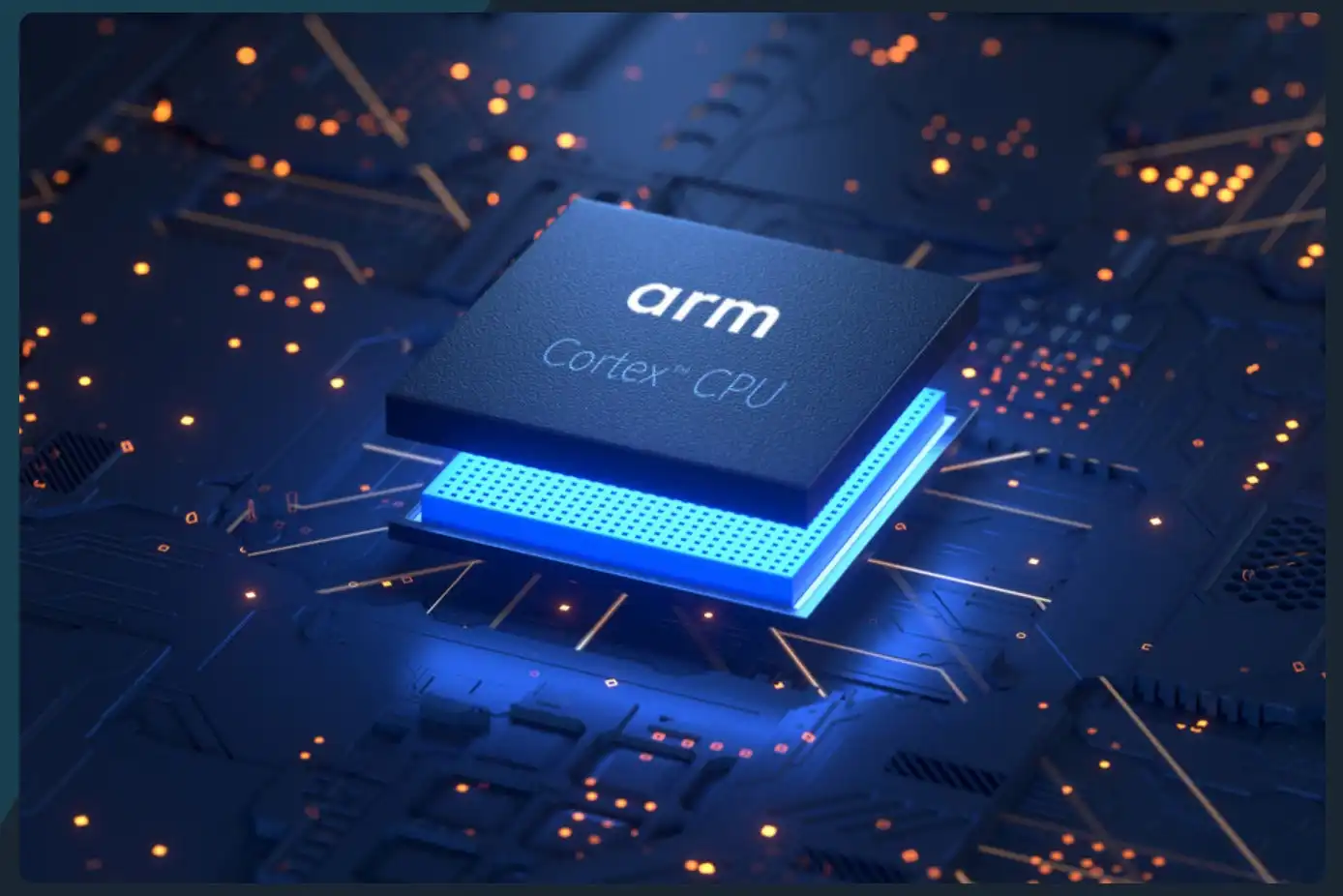
ARM chips have long powered smartphones and tablets, prized for their efficiency and low heat output. But now, that same architecture is reaching laptop-level performance. The turning point came with Apple’s M1 chip in 2020, which proved that ARM processors could outperform x86 chips while using far less energy. This success sparked an industry-wide movement toward ARM adoption in personal computing.
Apple’s Silicon Revolution
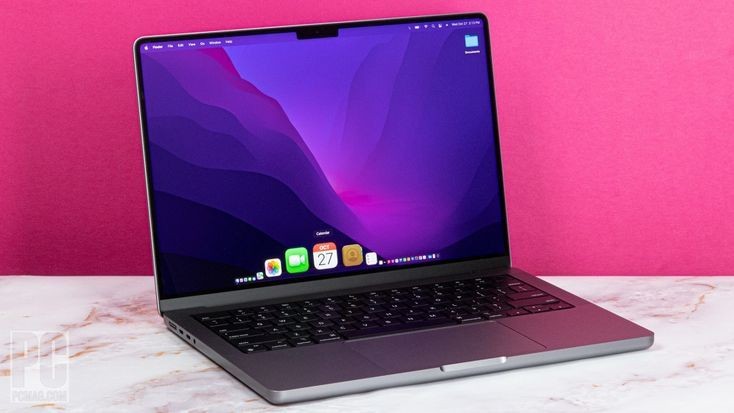
Apple’s transition from Intel to ARM-based Apple Silicon fundamentally changed consumer expectations. The M1, M2, and M3 chips delivered desktop-level power in sleek, silent laptops that last all day on a single charge. These systems-on-a-chip unify CPU, GPU, and AI processing, optimizing communication between components. The result is a new class of Macs that outperform many x86-powered laptops in both speed and efficiency.
Qualcomm’s Entry Into the High-Performance Arena
In 2025, Qualcomm has emerged as the main competitor to Apple in the ARM laptop category. Its Snapdragon X Elite and X Plus processors bring powerful multi-core performance, advanced GPU capabilities, and integrated AI acceleration to Windows devices. Modern ARM-powered laptops can now handle creative and professional workloads once reserved for desktops, from design to video editing and data analysis.
Microsoft’s Push for Windows on ARM
Microsoft has invested heavily in optimizing Windows for ARM architecture. With Windows 11’s compatibility improvements, ARM-based laptops now support native applications and faster emulation for legacy x86 programs. The addition of AI-powered features and better energy management has created a smoother, more efficient user experience across various device types. This alignment between software and hardware marks a critical milestone in ARM’s rise.
Performance per Watt: The New Benchmark
Performance is no longer measured solely by raw power. Today’s focus is on performance per watt, the efficiency ratio that determines how much computing can be done per unit of energy. ARM processors excel in this area, delivering near-desktop performance while consuming much less power. Laptops built on ARM platforms can last up to 20 hours on a charge, offering cooler, quieter operation ideal for professionals on the move.
Expanding Software Compatibility
Software support for ARM has grown rapidly. Major developers, including Adobe, Microsoft, and Google, now offer native ARM versions of their applications. In addition, emulation technology has advanced to the point where most x86 software runs without significant slowdowns. This transition ensures users no longer face compatibility trade-offs when choosing ARM laptops, making them suitable for both work and entertainment.
Thermal Design and Innovative Form Factors
With lower heat generation, ARM chips give manufacturers more freedom in design. Thinner and lighter laptops can now perform intensive tasks without noisy fans or large vents. This innovation has also fueled hybrid form factors, convertible laptops, detachable tablets, and foldable models, all benefiting from ARM’s efficiency. The reduced cooling requirements increase durability and open creative possibilities for device engineers.
The Role of Artificial Intelligence
Dedicated AI processing is now standard in many ARM chips. NPUs (neural processing units) handle machine learning tasks such as live translation, photo enhancement, and real-time background noise filtering directly on the device. This eliminates the need for constant cloud processing, improving responsiveness and privacy. With operating systems integrating AI-powered assistants, ARM’s hardware-level intelligence offers a clear advantage for future computing.
Will ARM Replace x86?
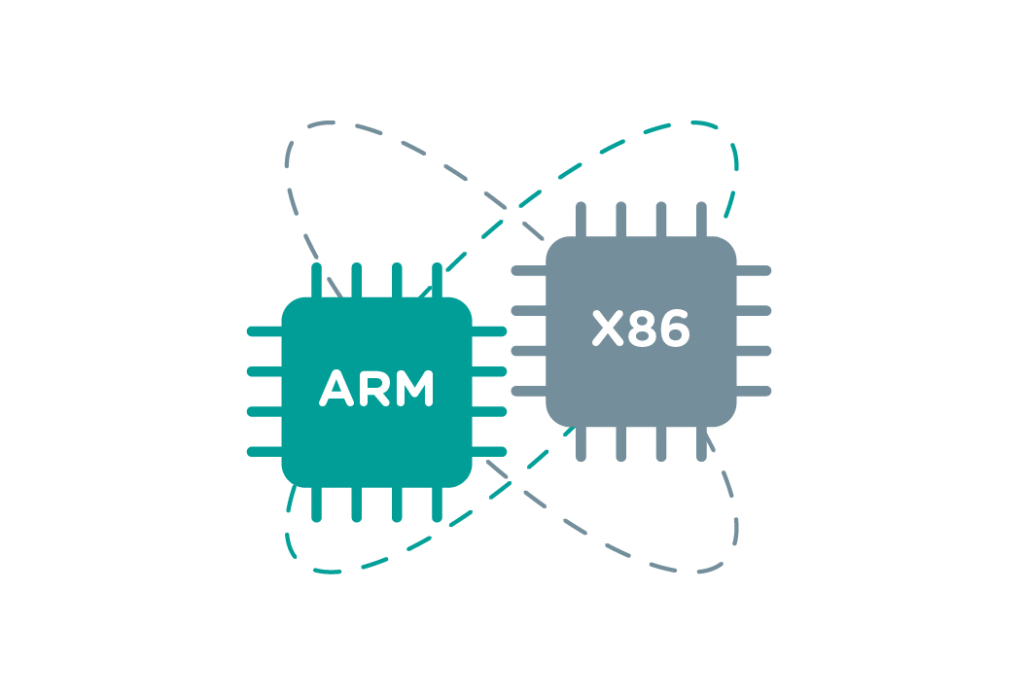
While ARM technology is rapidly advancing, the x86 architecture will not vanish overnight. Intel and AMD continue to evolve their designs with hybrid architectures that prioritize both power and efficiency. High-end gaming, professional rendering, and specialized industrial systems still benefit from x86’s raw computational capabilities. However, ARM has carved out a dominant position in the lightweight, mobile, and energy-efficient laptop market.
Looking Ahead
As manufacturing processes improve and cloud computing continues to evolve, ARM processors will become even more powerful and efficient. They represent more than a hardware change, they symbolize a shift toward sustainable, intelligent computing. The future laptop may rely on hybrid processing, combining local ARM power with cloud-based resources for unbeatable performance and flexibility.
Read More on: gulf tech review
Conclusion
The future of computing is no longer defined by one architecture. ARM processors have transformed what laptops can achieve longer battery life, lower heat, and integrated AI features, all in portable designs. While x86 remains relevant, it is no longer the sole powerhouse of computing innovation. The laptop market of the future will be defined by balance, efficiency, and adaptability, principles embodied by ARM.
Frequently Asked Questions (FAQ)
1. What is the main difference between ARM and x86 processors?
ARM processors prioritize power efficiency and integrate multiple system components into a single chip, while x86 processors focus on maximizing raw performance, often at the cost of higher power consumption.
2. Are ARM laptops good for gaming?
Currently, ARM laptops handle casual and cloud-based gaming well, but high-end gaming still performs better on x86 devices. However, this may change as ARM GPUs continue to improve.
3. Will I be able to run all my x86 applications on an ARM laptop?
Most major applications are now available in native ARM versions, and improved emulation technology allows many x86 programs to run smoothly with minimal performance loss.
4. How long can ARM laptops last on a single charge?
Modern ARM laptops can last anywhere from 15 to 25 hours on typical use, depending on the model, workload, and display settings.
5. Are ARM laptops suitable for professionals and developers?
Yes, especially for professionals focused on mobility, creativity, and battery efficiency. Many ARM laptops now support advanced development tools and productivity applications natively.