
Would you like to know how smartphones are replacing professional cameras?
In 2025, the revolution in smartphone photography is in full swing. Artificial intelligence has redefined what is possible with mobile cameras, closing the gap with traditional DSLRs and mirrorless systems.
The latest flagship smartphones now empower almost anyone to create stunning images and videos using advanced computational photography, real-time enhancements, and intuitive editing tools, all in a device that fits in a pocket.
The Rise of AI in Smartphone Cameras
AI has fundamentally changed the way cameras capture, process, and display images. While early smartphone cameras relied on basic hardware improvements, the new generation features dedicated AI chips and software that analyze scenes, detect objects, and optimize every shot in real time.
Modern devices use machine learning to improve dynamic range, sharpen details, enhance color accuracy, and even remove unwanted elements from photos automatically.
Computational Photography: Professional Results for Everyone
Smartphones now use multiple lenses and image sensors in combination with powerful AI processing to achieve results that once required extensive manual adjustments and post-production.
Features such as Smart HDR, AI-driven noise reduction, and multi-frame low-light processing enable crisp, detailed photos in any setting. Portrait modes simulate natural bokeh, while scene recognition identifies landscapes, food, or people and adapts settings instantly for the best result.
Editing and Creativity Reinvented
Editing photos used to require special knowledge and software. In today’s AI-driven smartphones, advanced editing is at users’ fingertips. Tools like Magic Editor, AI Super Resolution, and automatic object removal let users enhance images or change backgrounds with a single tap.
Generative AI suggests framing options, applies optimal filters, or even recommends the best shot from a burst sequence. Editing has become more creative and accessible, turning every user into their own visual storyteller.
Read More: Top 5 Flagship Smartphones of 2025
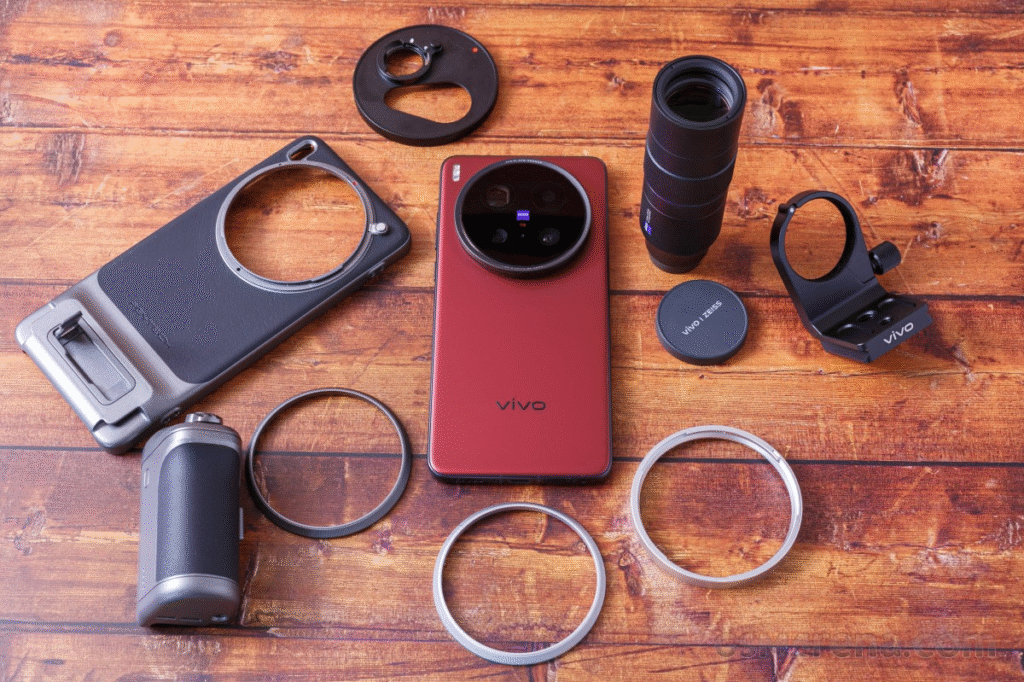
AI-enabled super zoom functions push the limits of mobile photography. With computational super-resolution, smartphones now achieve zoom levels of up to 100x with minimal loss of detail, rivalling some professional camera lenses.
Real-time motion analysis and instant image stacking reduce blur, making it possible to capture sharp action shots of sports, wildlife, or moving subjects in challenging conditions.
One of the biggest historical pain points for mobile cameras was low light. Thanks to AI-powered multi-frame processing, enhanced noise reduction, and dedicated night modes, new smartphones produce vivid, clear images in environments where older cameras would struggle.
Users can shoot videos in 4K HDR at night with little motion blur, expanding creative options for all types of content.
Scene Recognition and Intelligent Assistance
Scene and object detection is now a cornerstone of AI-powered cameras. Smartphones instantly recognize if a photo is of a person, pet, landscape, or food, and tune exposure, color, and focus accordingly.
Cameras also separate subjects from backgrounds to apply professional bokeh effects and use AI to suggest the best angles or compositions, helping users of all skill levels take better photos effortlessly.
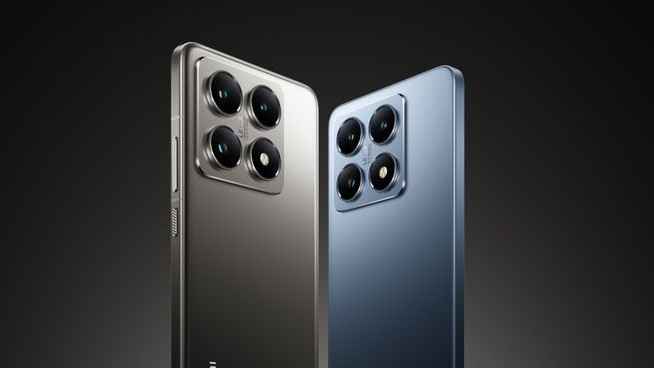
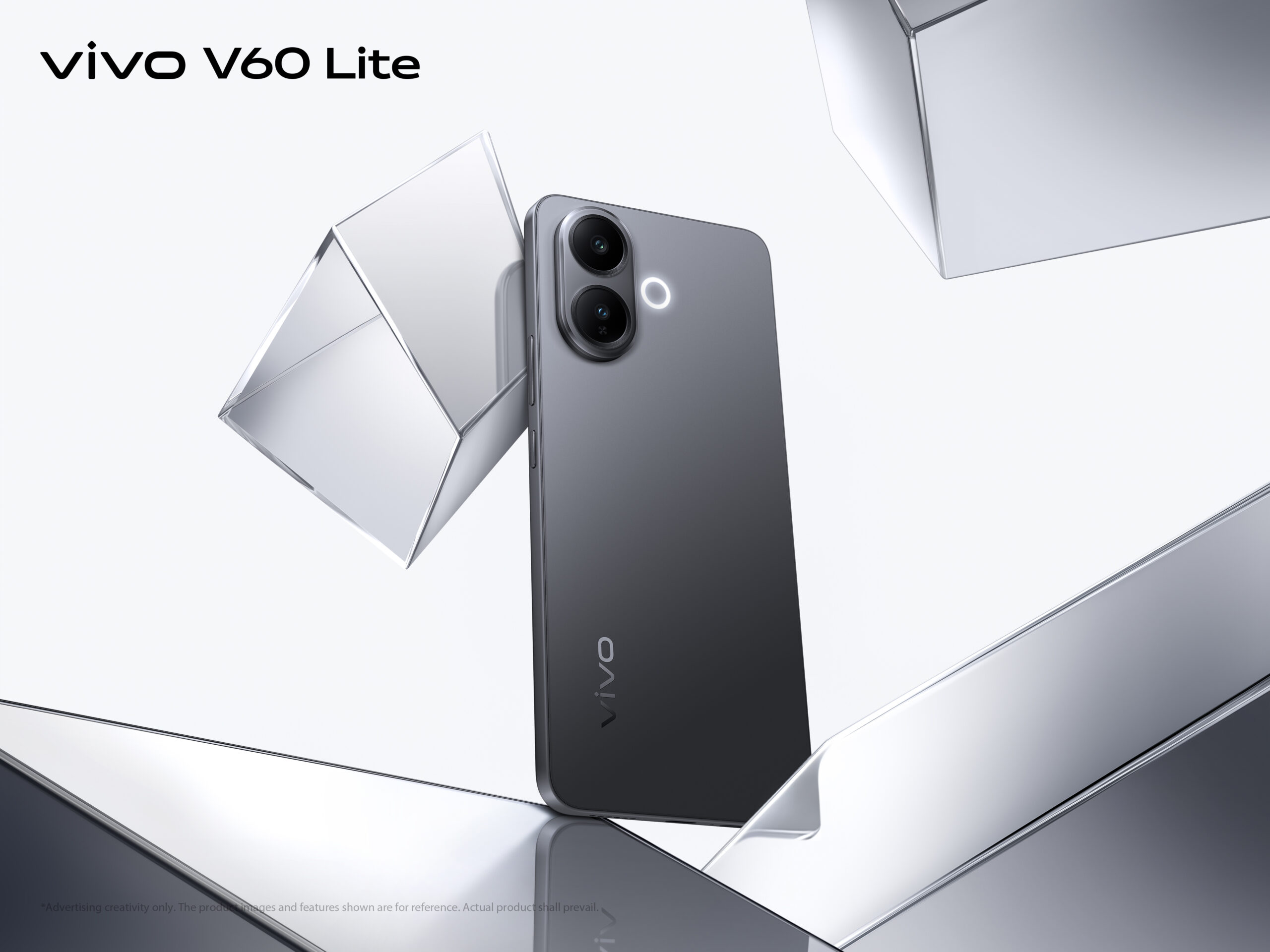
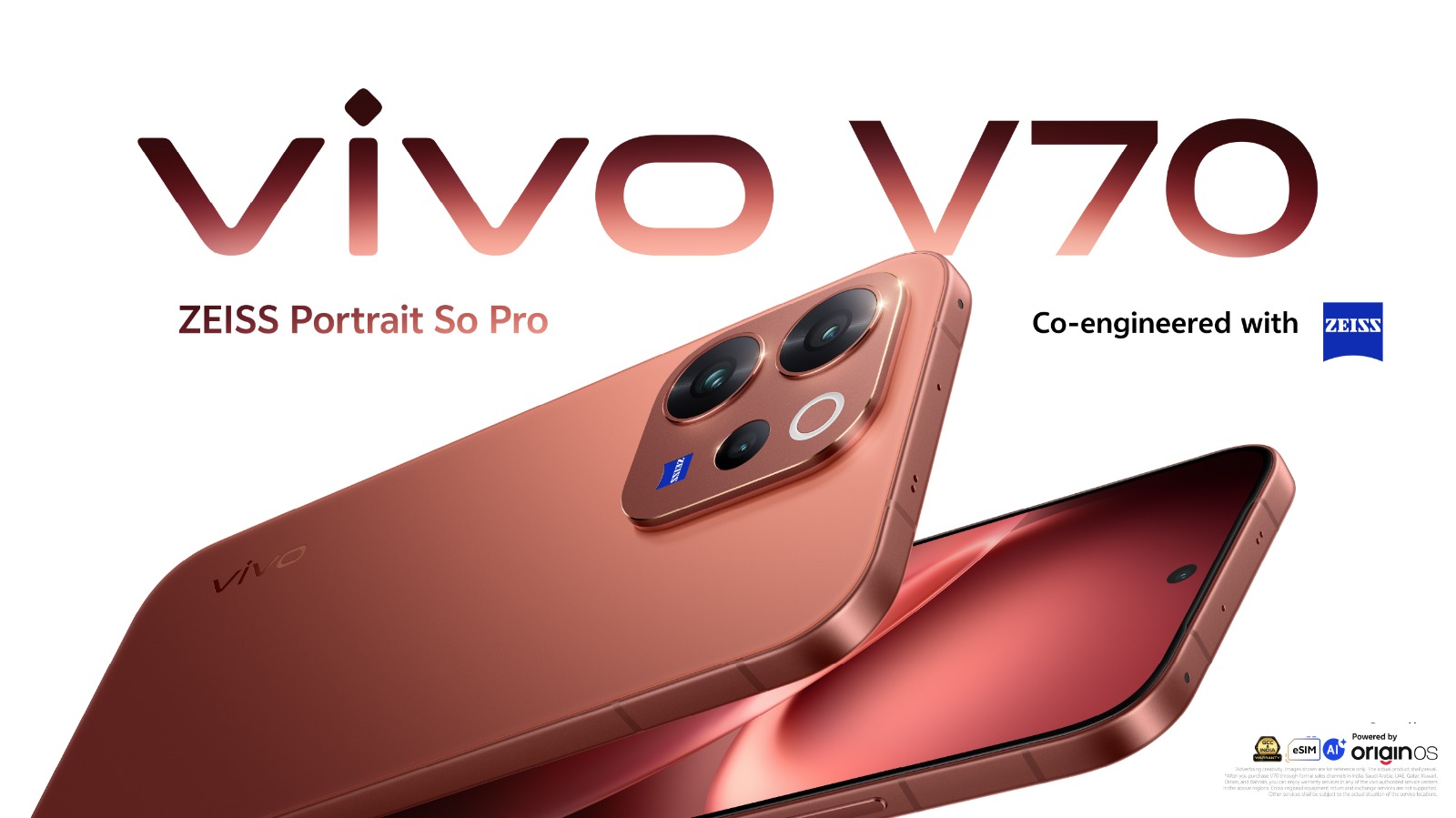
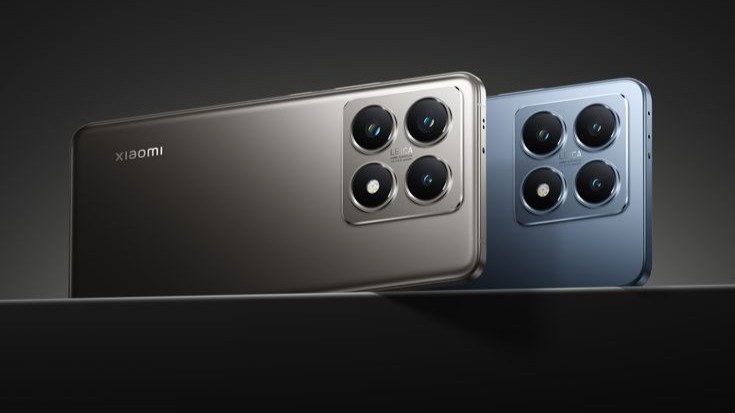
Flagship models like the Google Pixel 10 Pro, Samsung Galaxy S25 Ultra, Apple iPhone 17 Pro Max, and Vivo X300 set the benchmark in AI-powered photography. These devices combine cutting-edge sensors with advanced AI processors, offering pro-grade results in ultra-compact packages.
Features such as real-time video stabilization, 8K recording, AR photo tools, and live photo enhancement have made these smartphones the tools of choice for everyone from influencers to professional creators.
The Future of Photography: What’s Next?
AI’s role in smartphone photography is only set to grow. The next wave will see even deeper integration of generative AI for scene construction, real-time video effects, augmented reality overlays, and hyper-personalized image suggestions.
By making professional-quality photography accessible to everyone, smartphones are permanently changing the landscape of visual creativity.
Frequently Asked Questions (FAQ)
1. Can smartphones now replace professional cameras?
For most everyday and creative photography, modern AI-powered smartphones deliver professional-quality results that rival traditional cameras, though specific pro use cases may still require specialized equipment.
2. What features enable exceptional smartphone photography in 2025?
Features include computational photography, AI-enhanced zoom, real-time editing, advanced portrait and night modes, and intelligent scene recognition.
3. Which brands lead in AI camera technology?
Google, Samsung, Apple, and Xiaomi are at the forefront with models like Pixel 10 Pro, Galaxy S25 Ultra, iPhone 17 Pro Max, and Xiaomi 14 Ultra.
4. Are smartphone cameras better than DSLRs for all scenarios?
Smartphones now excel in convenience, versatility, and AI-driven editing, but high-end DSLRs still outperform in niche scenarios such as extremely high-speed sports and specialized low-light photography.
5. How will AI continue to change smartphone photography?
Future AI advancements will focus on real-time scene generation, AR overlays, instant video enhancements, and smarter composition guidance, making photography more creative and intuitive for all.